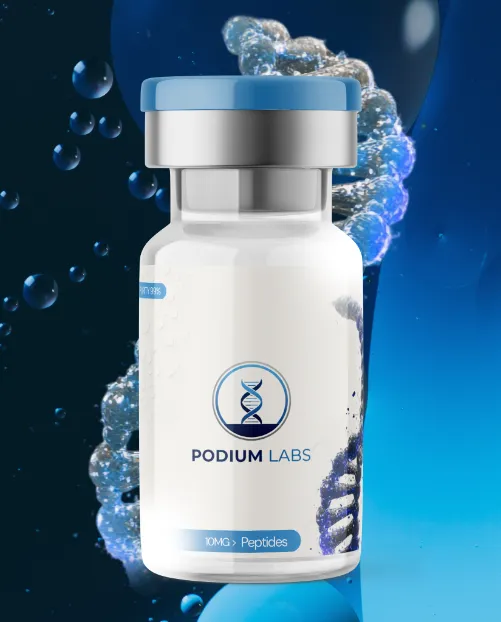
Research vs Pharmaceutical Grade Peptides: What's the Difference?

Research Grade vs Pharmaceutical Grade Peptides:
What's the Difference?
If you've been researching peptides online, you've likely come across two very different types of products: research grade peptides and pharmaceutical grade peptides. At first glance, they may appear similar, but the differences in manufacturing standards, quality control, intended use, and oversight are significant. Understanding these differences is essential before making decisions about your health. In this guide, we'll explain what each type of peptide is, how they differ, and why sourcing matters.
What Are Peptides?
Peptides are short chains of amino acids that act as signaling molecules throughout the body. They help regulate a wide variety of biological functions, including metabolism, muscle repair, immune response, hormone production, cognitive enhancement, tissue healing, sleep, body composition and more.
Some peptides are naturally produced by the body, while others are manufactured for medical use and others, strictly for scientific research which this article is highlighting.
In recent years, peptides have gained popularity in areas such as weight management, recovery, longevity, and performance optimization. However, not all peptides are produced to the same standards, and understanding where they come from is just as important as understanding what they do.
What Are Research-Grade Peptides?
Research grade peptides are intended for laboratory research, which can include cell-based studies, analytical testing, and in some cases preclinical animal studies. They are not manufactured, labeled, or regulated as medications for people, and a “for research use only” or “not for human consumption” label means the supplier is not representing the product as suitable for clinical administration. This includes peptides that have no informational labels at all.
These products are typically labeled:
- For Research Use Only
- Not for Human Consumption
- Not for Diagnostic or Therapeutic Use
- Not Labeled or Poorly Labeled
These labels are not simply legal disclaimers. They reflect the intended purpose of the product. Research grade peptides are produced for experiments conducted in laboratories, universities, and research facilities. They are not manufactured or marketed as medications for patient treatment.
The manufacturing processes, testing, documentation, and regulatory expectations for research-use products differ from those required for medications intended for human use.
Although some research grade manufacturers provide certificates of analysis (COAs) showing purity or identity testing, those documents represent only part of the overall quality picture.
What Are Pharmaceutical-Grade Peptides?
Pharmaceutical grade peptides are manufactured for clinical use under strict quality standards and regulatory requirements.
Depending on the country and product, these peptides may be manufactured under Current Good Manufacturing Practice (cGMP) standards and, where applicable, supplied through licensed pharmacies or approved pharmaceutical manufacturers.
Their production typically involves:
- Stringent manufacturing controls
- Batch-to-batch consistency testing
- Sterility testing (when required)
- Identity and potency verification
- Impurity analysis
- Stability testing
- Documentation and traceability throughout manufacturing
Pharmaceutical grade peptides are intended to meet standards appropriate for patient care.
What Are the Differences?
Although both may contain the same peptide sequence on paper, how the product is manufactured, tested, and handled can differ substantially.
1. Intended Use
Research Grade
Designed for laboratory research
Not intended for human administration
Labeled accordingly
Pharmaceutical Grade
Intended for patient care
Manufactured for medical use with strict quality control.
This distinction is one of the most important differences between the two categories.
2. Manufacturing Standards
Pharmaceutical manufacturers typically operate under strict quality systems designed to minimize contamination, maintain consistency, and document every step of production.
Research grade manufacturers may follow varying internal quality practices depending on the supplier, but they are not necessarily producing products intended to meet the same standards required for medicines.
3. Quality Control
Pharmaceutical grade products generally undergo multiple layers of quality assurance, including testing for identity, potency, impurities, and, where appropriate, sterility and endotoxins.
Research grade products may include some testing, but the scope and rigor can vary widely between suppliers.
4. Traceability
Clinical products are expected to have detailed documentation allowing batches to be traced through manufacturing and distribution.
This traceability supports quality investigations, recalls, and patient safety.
Research products may not provide the same level of documentation or oversight.
5. Storage and Handling
Pharmaceutical supply chains often include validated procedures for storage, shipping, and handling designed to preserve product quality.
Research use products may be handled under different conditions depending on the supplier.
Are Certificates of Analysis Enough?
One of the most common misconceptions is that a Certificate of Analysis (COA) alone guarantees that a peptide is appropriate for human use. A COA can provide useful information about a specific sample, such as:
Identity
Reported purity
Certain analytical test results
However, a COA does not, by itself, confirm:
How the peptide was manufactured
Whether every batch is produced consistently
Whether the product was manufactured under pharmaceutical quality standards
Whether it has undergone the broader quality systems expected for medications intended for patients
A COA is one piece of information not a complete assurance of clinical quality.
Why Does Quality Matter?
Peptides are biologically active compounds. Even small differences in manufacturing quality, handling, or storage may influence the final product. Quality systems are designed to reduce the risk of:
Incorrect dosing
Unexpected impurities
Product variability between batches
Loss of stability during storage
Contamination
These safeguards become particularly important when products are intended for clinical use.
Potential Risks of Using Research-Grade Peptides Labeled
"Not for Human Consumption"
Research grade peptides carry labels such as "Not for Human Consumption" because they are not intended or marketed for patient treatment. Using products outside their intended purpose may introduce additional uncertainty. Potential concerns may include:
Unknown Manufacturing Standards
Not every supplier follows the same manufacturing processes. Quality can vary considerably between vendors.
Variable Potency
The amount of active peptide present may differ from what is expected if manufacturing consistency varies. This may make dosing less predictable.
Impurities
Depending on manufacturing and purification methods, impurities can be present at varying levels.
The clinical significance of specific impurities depends on the product and context, but minimizing them is an important part of pharmaceutical manufacturing.
Sterility Concerns
For injectable products, sterility is particularly important.
Products not manufactured for clinical use may not have undergone the same sterility assurance processes expected for medications intended for patients.
Storage and Shipping
Temperature, packaging, and transportation conditions can influence peptide stability.
Validated cold chain handling is one component of maintaining product quality.
Lack of Medical Oversight
Another important consideration is that individuals purchasing research grade peptides often do so without medical supervision. Without appropriate evaluation, there is a greater risk of:
Using the wrong peptide for a particular goal
Incorrect dosing or administration
Missing underlying health conditions
Overlooking potential interactions with medications or existing medical conditions
Delayed recognition of side effects or complications
Working with a qualified healthcare provider allows treatment decisions to be based on an individual's medical history, goals, and ongoing monitoring.
Frequently Asked Questions:
Are research grade peptides illegal?
Laws vary by country and jurisdiction. Many research peptides may be legally sold for laboratory research while being clearly labeled as not intended for human use. Their availability does not mean they are approved or appropriate for self-administration.
Why are they labeled "Not for Human Consumption"?
Because they are manufactured and sold for research purposes rather than as medications intended for patients. Research peptides are strictly for in vitro (test tube) or in vivo (animal) experiments. The labeling reflects the intended use of the product. No label? Even worse.
Are research grade peptides the same molecule?
Sometimes the peptide sequence may be chemically similar or identical.
However, manufacturing quality systems, testing, documentation, and intended use can differ substantially.
What does pharmaceutical grade mean?
Generally, it refers to products manufactured under stringent quality standards appropriate for clinical use, with comprehensive quality control and documentation. The exact regulatory requirements can vary by country and product.
Is a Certificate of Analysis enough?
No.
A COA provides useful analytical information but is only one part of evaluating product quality. It does not replace the broader manufacturing controls and quality systems associated with pharmaceutical production.
Why should I work with a healthcare provider?
Peptide therapy is not 'one size fits all'.
A qualified healthcare provider can determine whether a peptide is appropriate, discuss potential benefits and risks, recommend appropriate monitoring, and tailor a plan to your individual needs.
Summary
Peptides have become an exciting area of research and clinical interest, offering potential applications across weight management, recovery, hormone health, and performance optimization. However, where a peptide comes from matters just as much as the peptide itself.
While research-grade peptides are manufactured for laboratory use and clearly labeled "Not for Human Consumption," pharmaceutical-grade peptides intended for patient care are produced under much stricter quality standards, with rigorous manufacturing processes, testing, and documentation.
If you're considering peptide therapy, focus not only on what peptide may be appropriate, but also on the quality of the product, the qualifications of the healthcare provider guiding your care, and the importance of individualized medical oversight.
Making informed decisions starts with understanding the differences.
Ready to Learn Whether Peptide Therapy Is Right for You?
Every person's health goals, medical history, and treatment needs are different. Whether you're exploring peptides for weight management, recovery, longevity, or performance, a personalized evaluation is the best place to start.
At Podium Labs, we take an evidence-informed, patient-centered approach to peptide therapy. Our team works with you to understand your goals, and develop a treatment plan tailored to your individual needs using high quality medications sourced through appropriate clinical channels when indicated.
Book your free 15min consultation today to discuss your goals, have your questions answered, and find out whether peptide therapy may be appropriate for you.
Your health deserves a personalized approach, not guesswork.
